Digital Marketing

What is SEO and Why Does Your Website Need It?

Search Engine Optimizations Is Important For Your Website. Without SEO, Finding Your Website On Search Engine Can be Very difficult.


Demystifying the Digital World: What is SEO and Why Does Your Website Need It?

Every single day, billions of questions are typed into search bars across the internet. People are looking for everything from the best local coffee shop to complex software solutions, from weekend travel itineraries to answers to pressing medical questions. When these users hit "enter," they are presented with a list of links that magically seem to have exactly what they are looking for.

But it’s not magic. It is a highly sophisticated, algorithmic process. If you own a website, run a business, or create digital content, you likely want your pages to appear at the very top of those results. To get there, you need to understand one foundational concept: Search Engine Optimization.

If you have ever asked yourself, "What is SEO, really?" or wondered why some websites thrive while others remain buried on page ten, you are in the right place. In this comprehensive guide, we are going to break down the mechanics of search engine algorithms, explore the core pillars of optimization, and explain how you can start driving sustainable, organic traffic to your website without resorting to spammy tactics.

What is SEO? The Core Definition

At its most basic level, SEO (Search Engine Optimization) is the ongoing practice of improving and optimizing a website to increase its visibility in search engine results pages (SERPs). The ultimate goal is to attract more organic traffic—visitors who find your site naturally through search engines like Google, Bing, or Yahoo, rather than through paid advertisements.

Think of the internet as a massive, ever-expanding digital library containing billions of books (websites), but this library has no central catalog and no human librarian. Search engines are the robotic librarians of the internet. When you type in a query, they instantly sift through their massive database to hand you the most relevant, high-quality "books."

SEO is the process of writing, formatting, and structuring your website so that the search engine "librarian" not only understands exactly what your book is about but also recognizes it as the absolute best resource on the topic.

Organic Traffic vs. Paid Advertising (PPC)

To truly understand what SEO is, it helps to distinguish it from its sibling: Pay-Per-Click (PPC) advertising.

When you look at a typical Google search results page, you will notice that the very first few links usually have a tiny "Sponsored" or "Ad" label next to them. These are paid placements. Businesses pay the search engine a fee every time someone clicks those links.

Everything below those ads is the organic search results. You cannot pay Google to rank your website in the organic results. Earning a spot there requires providing genuine value, proving your authority, and adhering to search engine guidelines. While PPC can give you immediate visibility as long as you keep paying, a strong search engine optimization strategy builds a sustainable foundation that can drive free traffic to your site for years to come.

How Do Search Engines Work?

Before you can optimize your website, you need to understand the underlying mechanics of how search engines discover and evaluate content. Google and other search engines use complex algorithms to determine rankings, but the process can be broken down into three primary stages:

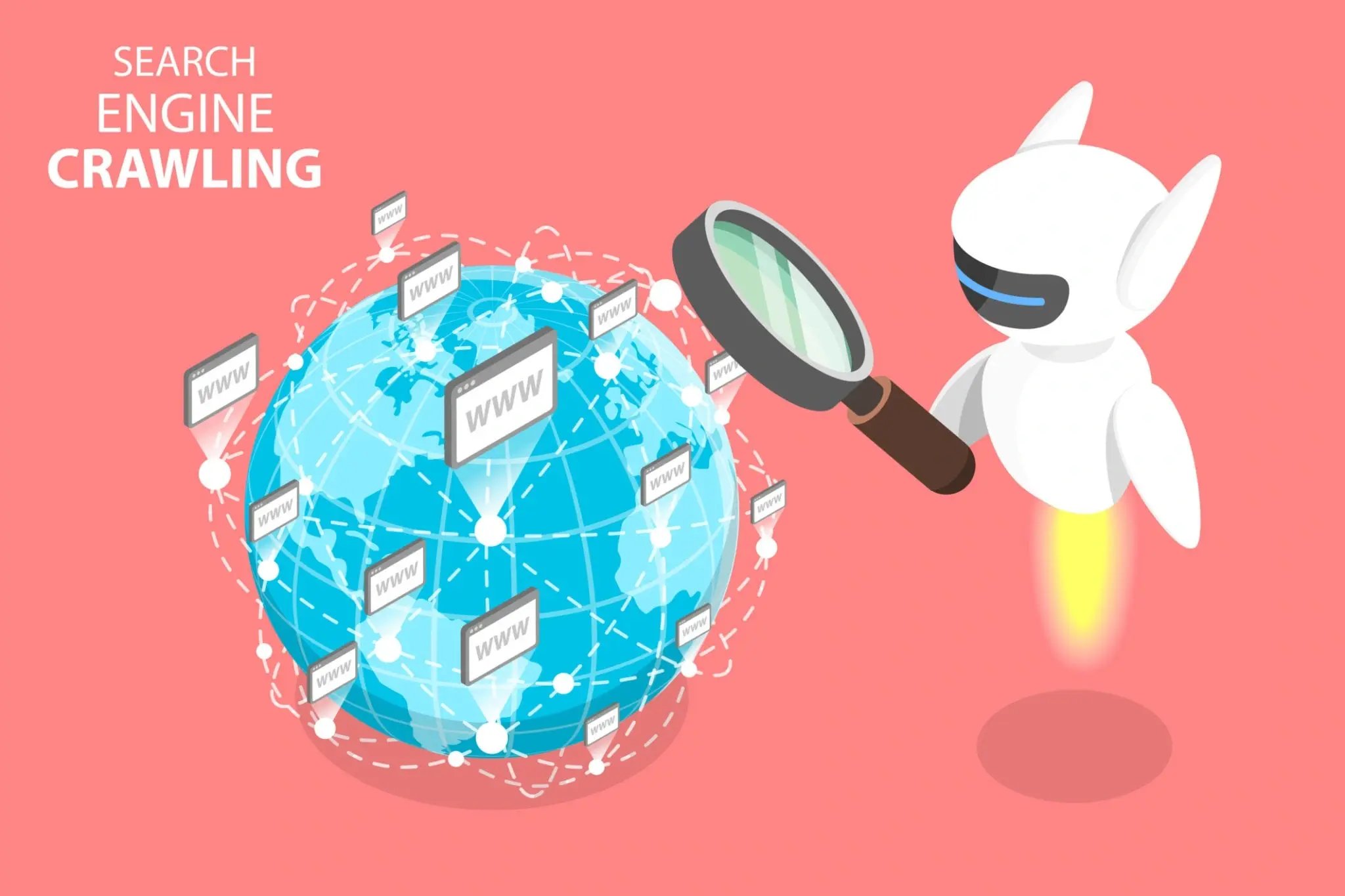
 SEO Robot Image


1. Crawling (Discovery)

Search engines deploy automated software programs known as "crawlers," "spiders," or "bots." These bots continuously roam the internet, following links from one webpage to another. When a crawler arrives on your website, it reads the code, the text, the images, and the layout to figure out what the page is about. If your site has broken links or is blocked from being crawled, the search engine will never know it exists.

2. Indexing (Filing)

Once the bots have crawled a page, the search engine processes and stores the information in a massive database called an index. Going back to our library analogy, indexing is the process of adding a new book to the digital catalog. If a page is successfully indexed, it is officially in the running to be displayed in search results.

3. Ranking (Evaluation)

This is where the magic (and the math) happens. When a user types a query into the search bar, the search engine instantly scours its index for highly relevant content. It then orders those results from most useful to least useful. Google uses hundreds of different ranking factors to determine this order, looking at everything from how fast the page loads to how many other reputable websites link to it.

The Three Pillars of SEO

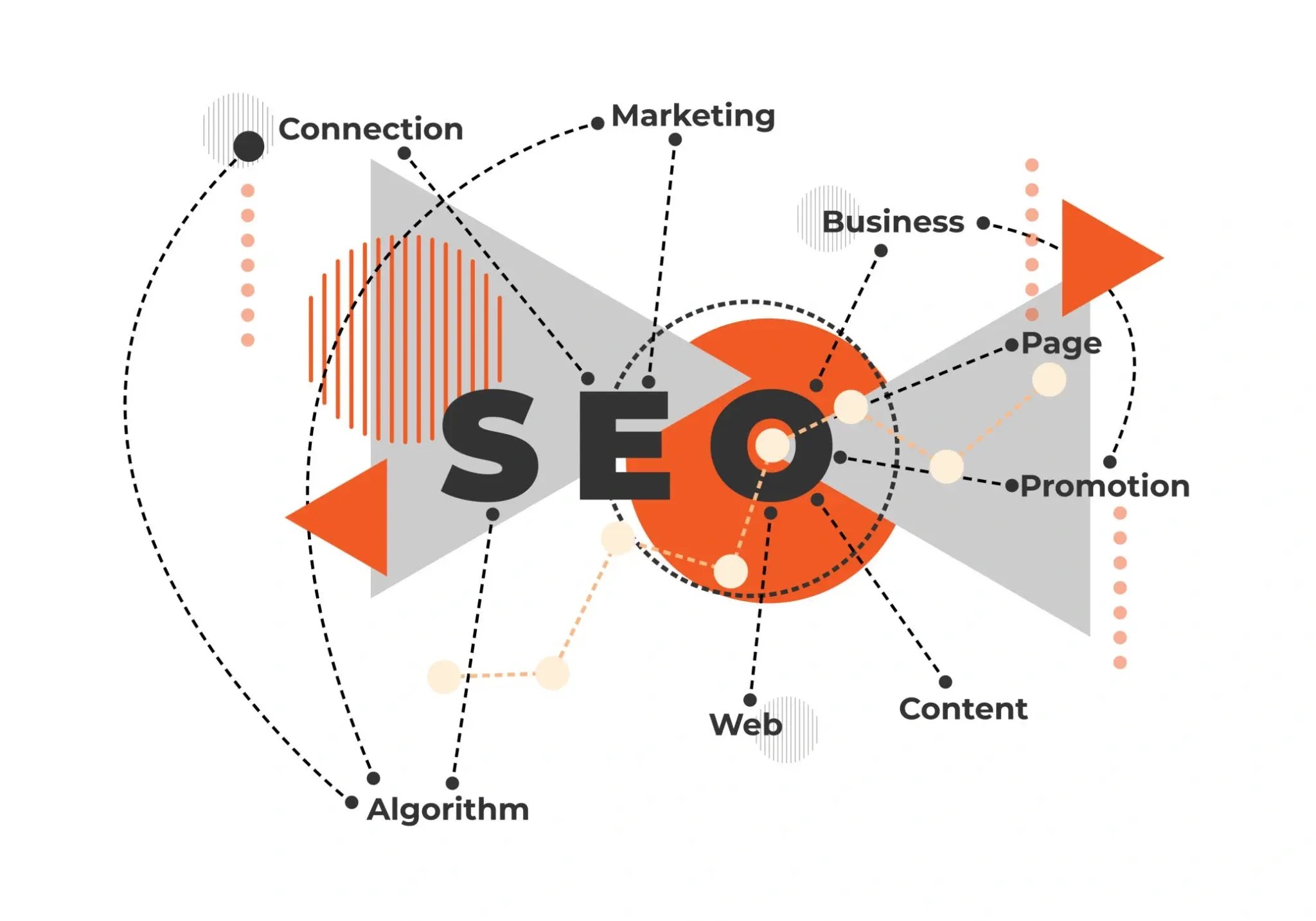
Modern search engine optimization is a multi-disciplinary field. It is no longer just about repeating a target phrase over and over again (a penalized practice known as keyword stuffing). Today, a holistic SEO strategy rests on three distinct pillars.

SEO Image

Pillar 1: On-Page SEO

On-page SEO refers to the optimizations you make directly to the visible content and HTML source code of a specific webpage. This is all about helping search engines understand your topic and proving to users that your content is valuable.

Key elements of on-page optimization include:

  • Keyword Research & Implementation: Identifying the specific words and phrases your target audience uses when searching for your products or services, and naturally weaving them into your text.
  • High-Quality Content: Creating articles, guides, and pages that genuinely answer the user's questions. Content must be informative, engaging, and better than what your competitors are offering.
  • Title Tags and Meta Descriptions: The clickable blue link and the short description beneath it that appear in the search results. These need to be compelling enough to make a user want to click.
  • Header Tags (H1, H2, H3): Structuring your content logically with descriptive headings makes it easier for both humans to read and bots to crawl.
  • Image Optimization: Ensuring your images have descriptive file names and "alt text" so search engines can understand what the images depict.

Pillar 2: Off-Page SEO

Off-page SEO involves actions taken outside of your own website to impact your rankings. This pillar is largely about building authority, trust, and reputation across the broader internet.

The most critical component of off-page optimization is backlinking. A backlink is simply a link from another website pointing to yours. Search engines view high-quality backlinks as "votes of confidence." If a highly respected, authoritative website (like a major news outlet or a university) links to your blog post, Google interprets that as a signal that your content is trustworthy and valuable.

Other off-page factors include:

  • Social Media Signals: While social shares aren't a direct ranking factor, a strong social presence drives traffic and brand awareness.
  • Local SEO & Citations: For brick-and-mortar businesses, having consistent name, address, and phone number data across directories (like Yelp or Google Business Profile) is crucial.
  • Brand Mentions: Even unlinked mentions of your brand name across the web can help establish your site's authority.

Pillar 3: Technical SEO

You can have the most beautifully written content and the best backlinks in the world, but if your website is technically flawed, it will not rank. Technical SEO focuses on the backend structure and performance of your site.

Key technical factors include:

  • Site Speed: Users hate slow websites, and so do search engines. If your page takes more than a few seconds to load, visitors will bounce, and your rankings will plummet.
  • Mobile-Friendliness: The majority of global web traffic comes from mobile devices. Google uses "mobile-first indexing," meaning it primarily evaluates the mobile version of your site to determine rankings.
  • Site Architecture: A logical, easy-to-navigate site structure helps search bots crawl your site efficiently and find all your important pages.
  • Security (HTTPS): Search engines prioritize the safety of their users. An SSL certificate (which changes your URL from HTTP to HTTPS) encrypts data and is a confirmed ranking signal.
  • XML Sitemaps and Robots.txt: These are backend files that give search engines direct instructions on how to crawl and index your site.

Why is SEO Crucial for Your Business and Website?

Now that we have answered "what is SEO" and looked at how it works, the next logical question is: Why should you invest time and resources into it?

1. It Drives High-Intent Traffic Unlike billboard advertising or social media marketing, where you are interrupting people who are trying to do something else, search traffic is intent-driven. People are actively typing their problems into Google. If your website shows up at the exact moment they are looking for a solution, the chances of converting that visitor into a subscriber or a paying customer are exponentially higher.

2. It Builds Trust and Credibility Most users implicitly trust search engines. If Google puts your website at the very top of page one, users automatically assume you are an industry leader. Ranking high signals authority and credibility in a way that paid ads simply cannot replicate.

3. It Provides an Incredible Long-Term ROI SEO is not a quick fix; it is a long-term investment. It takes time, effort, and sometimes capital to create great content and optimize a site. However, once you achieve high rankings, you generate a consistent stream of traffic day after day, month after month, without paying a dime per click. The Return on Investment (ROI) over time is unmatched in the digital marketing space.

4. It Forces You to Create a Better User Experience Because search engines want to serve their users the best possible results, their algorithms are designed to reward websites that provide a great experience. By doing technical SEO—speeding up your site, making it look good on mobile, and organizing your navigation—you are fundamentally building a better website for your human visitors.

Modern SEO: It’s All About the User (and E-E-A-T)

If you read an article about SEO from ten years ago, it might tell you to cram your keywords into your text as many times as possible and buy hundreds of cheap backlinks. Today, those tactics (known as "Black Hat SEO") will get your site heavily penalized or entirely removed from the index.

Modern search algorithms use advanced machine learning and artificial intelligence to understand human language. They don't just look for exact keyword matches; they look for Search Intent.

Search intent is the "why" behind a query. Is the user looking to buy something (Transactional), looking for a specific website (Navigational), or looking to learn something (Informational)? A successful search engine optimization strategy aligns your content perfectly with the user's underlying intent.

The Importance of E-E-A-T

Google uses a framework called E-E-A-T to evaluate the quality of content, especially for topics that impact a person's health, finances, or safety. E-E-A-T stands for:

  • Experience: Does the author have first-hand, real-world experience with the topic?
  • Expertise: Does the author possess the necessary knowledge and credentials?
  • Authoritativeness: Is the website known as a go-to source in its industry?
  • Trustworthiness: Is the site secure, transparent, and accurate?

To rank well in today's landscape, you must demonstrate these qualities. You cannot just write generic text; you must provide unique insights, cite reliable sources, and establish your brand as a legitimate authority.

Getting Started: A Quick SEO Checklist

If you are ready to start optimizing your digital presence, here is a foundational checklist to get the ball rolling:

  1. Set Up Your Tools: Install Google Analytics and Google Search Console. These free tools are essential for tracking your organic traffic and seeing exactly how Google views your site.
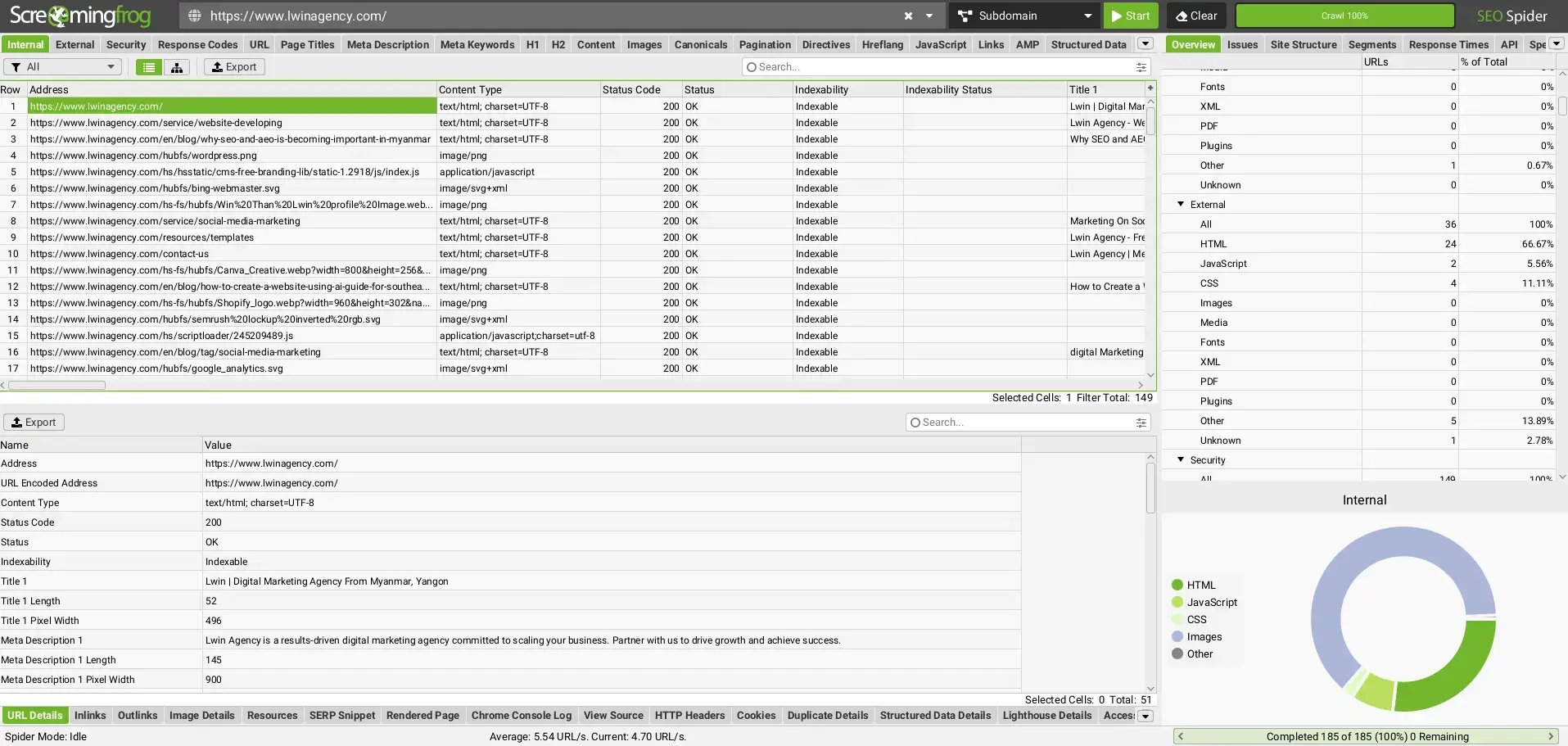
  2. Conduct an Audit: Click through your website on both a desktop and a smartphone. Does it load fast? Is the navigation clear? Fix any glaring technical issues first.
  3. Do Your Keyword Research: Use tools like Google Keyword Planner, Ahrefs, or SEMrush to find out what your audience is actually searching for. Look for keywords with decent search volume but manageable competition.
  4. Optimize Existing Pages: Go through your current content. Ensure your title tags are catchy, your headers are formatted correctly, and your target keywords are used naturally in the text.
  5. Create a Content Strategy: Start a blog or a resource center. Commit to regularly publishing high-quality, E-E-A-T focused content that answers the specific questions your target audience is asking.
  6. Network for Backlinks: Reach out to industry partners, suppliers, or bloggers in your niche. Offer to write guest posts or collaborate on projects to earn high-quality links back to your site.

The Bottom Line

So, what is SEO? It is the intersection of technical website architecture, strategic content creation, and digital PR. It is the art and science of proving to search engines—and, more importantly, to human beings—that your website is the absolute best destination for their specific query.

While the algorithms will continue to evolve and ranking factors will shift over time, the core philosophy of search engine optimization remains constant: build a fast, accessible website, and fill it with genuinely helpful, authoritative content. Master that, and the organic traffic will follow.

Similar posts